
Understanding How Water Softener Longevity Affects Your Family’s Water Quality
In a high-usage household, the lifespan of your water softener can vary significantly based on a few crucial factors. If your family uses a lot of water — for showers, laundry, and dishwashing — you may find yourself wondering how long your water softener will last and if it can keep up with your demands. Typically, a well-maintained water softener can last anywhere from 10 to 15 years, but in a busy household, that lifespan may shorten. The key to extending the life of your softener lies in understanding its capacity and maintenance requirements.
A water softener works by removing minerals like calcium and magnesium, which can cause hard water issues. In a high-usage environment, these minerals build up more quickly, leading to more frequent regeneration cycles. This means your system is working overtime, which can lead to wear and tear. One way to gauge whether your water softener is up to the task is by looking at its grain capacity. If your household consumes more water than your softener can handle, it’s time to consider upgrading to a unit that can accommodate your family’s needs.
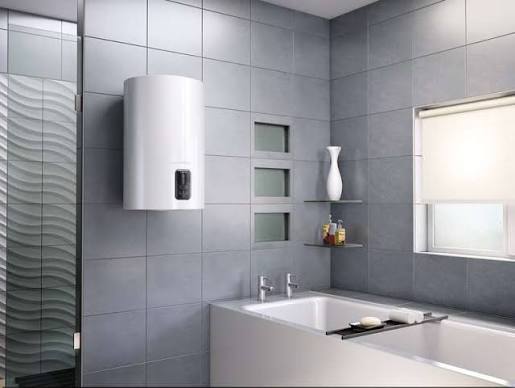
Maintenance plays a vital role in ensuring your water softener lasts as long as possible. Regularly checking and refilling the salt, cleaning the resin tank, and monitoring the brine solution can prevent premature failure. If you notice signs of inefficiency, such as hard water stains on faucets or a decrease in water pressure, it’s essential to address these issues promptly. Sometimes, calling a professional plumber may be necessary to diagnose and fix underlying problems before they escalate, ensuring your water softener continues to perform optimally.
Additionally, investing in a high-quality water softener can make a significant difference in longevity. When shopping for a new system, look for models with a solid warranty and positive reviews regarding durability. Consider your household’s specific water usage patterns and consult with experts if you’re unsure which model will best suit your needs.
Lastly, don’t underestimate the importance of water quality when it comes to the lifespan of your softener. Regular tests can help you understand the hardness levels in your water, allowing you to adjust your maintenance schedule accordingly. By staying proactive and informed, you can optimize the performance and lifespan of your water softener, ensuring that your household always has access to the best water quality possible.